Indoor Plants

Plant Care

Sort By:

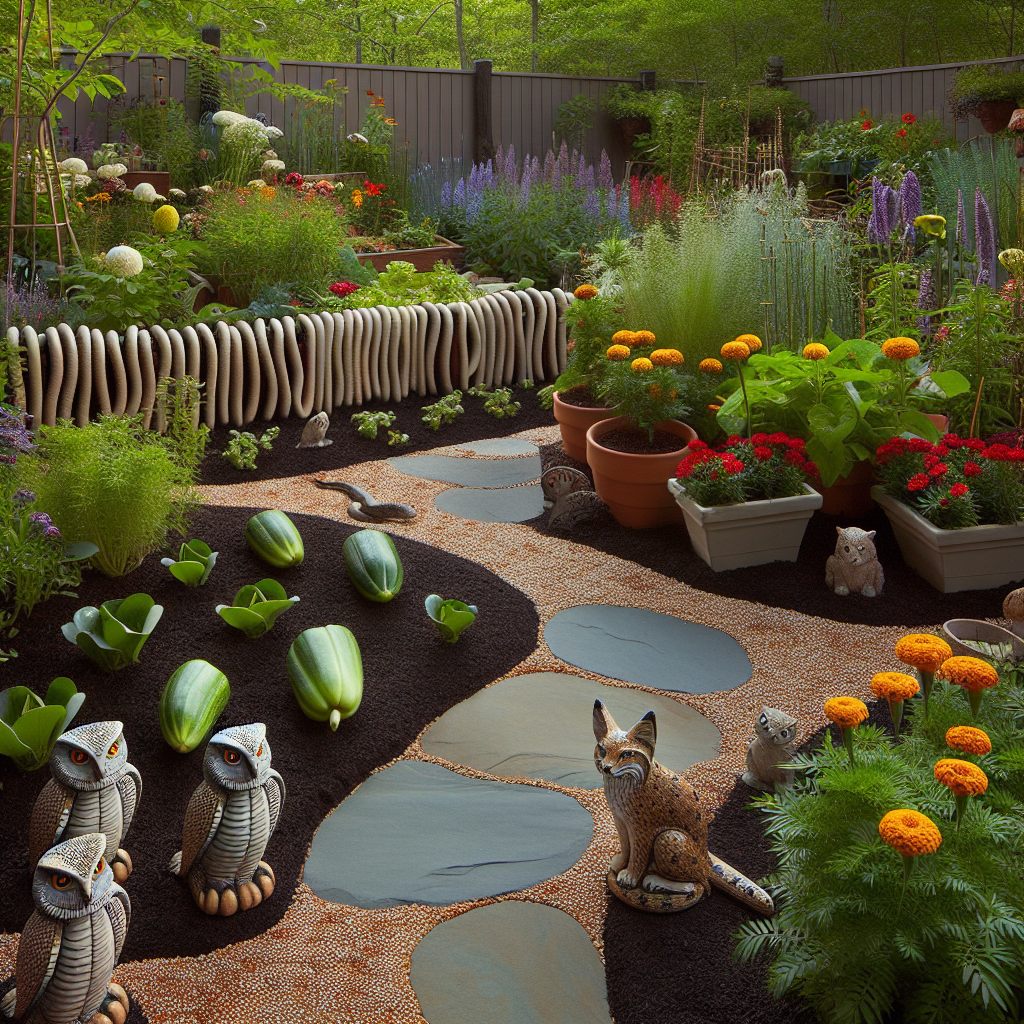
An idyllic garden setting, with snake deterrent methods being in use. The scene features lush flowers and vegetables in raised beds, surrounded by a natural hued snake fence, providing a barrier between nature and the flourishing gardened area. Small ceramic figures of predatory animals, such as owls and bobcats, placed strategically around the place, are visible. Marigolds, a type of plant that naturally repels snakes, are on full display in planted pots and the ground. A flat stone pathway meanders through the garden, its edges dusted with snake repellent granules. All these elements present a serene, snake-free environment.

Deterring Snakes from Garden Areas

Image showing a walnut tree with dark green leaves and numerous ripe walnuts hanging from the branches. A transparent dome-like shield surrounds the tree to prevent any insects from reaching the walnuts. Nearby, a small table holds an assortment of non-branded pest control items such as a spray bottle filled with a DIY organic pesticide made from a clear, amber liquid, a handheld insect net, and an unmarked box of insect traps. The sky above is clear and blue, signifying a perfect day for outdoor gardening activities.

How to Stop Walnut Husk Flies from Ruining Walnuts

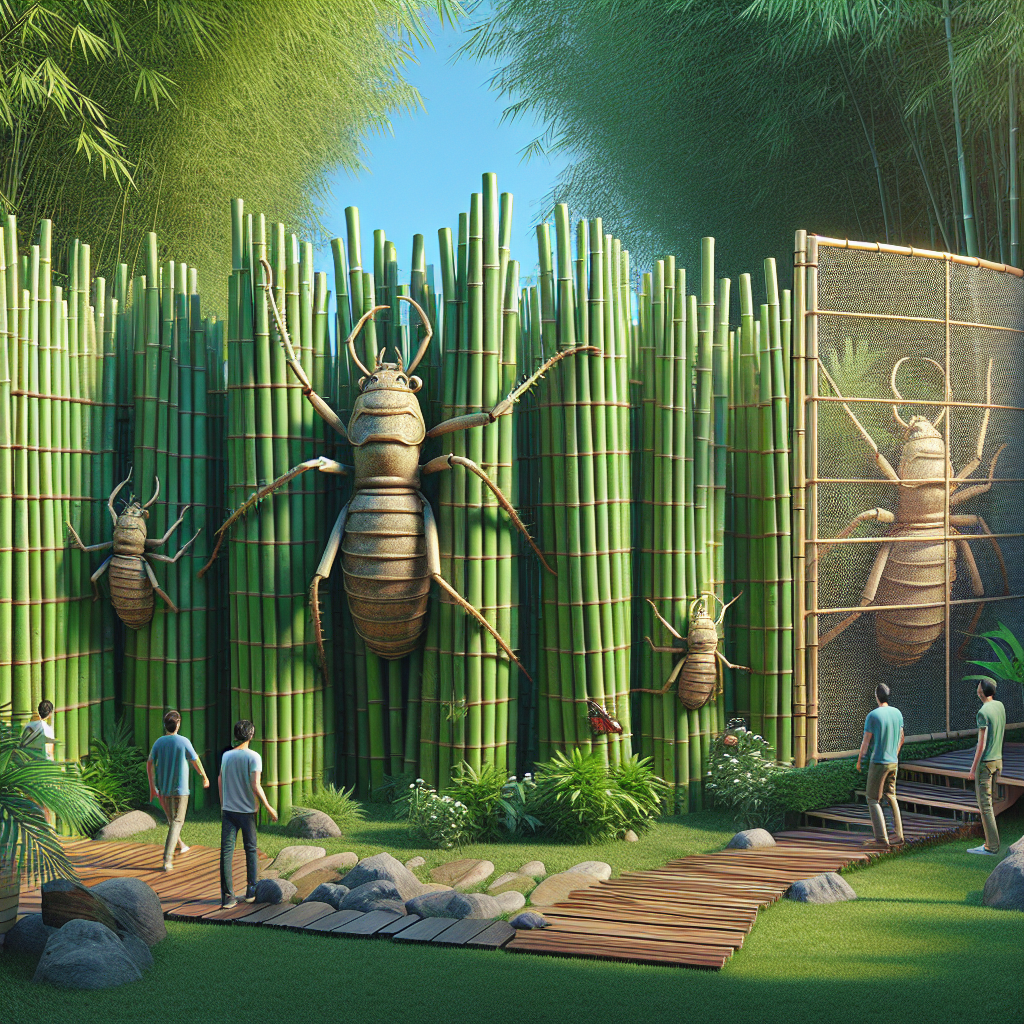
An image that would suit an article on protecting against bamboo mites in privacy screens. The scene is outdoor, featuring several bamboo privacy screens arranged in various orientations, possibly in a garden or yard. The bamboo stalks are vibrant green. A few bamboo mites, quite large for visibility's sake, are shown attempting to invade the privacy screens. However, various natural deterrents, such as predator insects and a barrier of some form of natural mite-repellent plant, protect the bamboo. Avoid including people, text, brand names or logos in this image.

Guarding Against Bamboo Mites in Privacy Screens

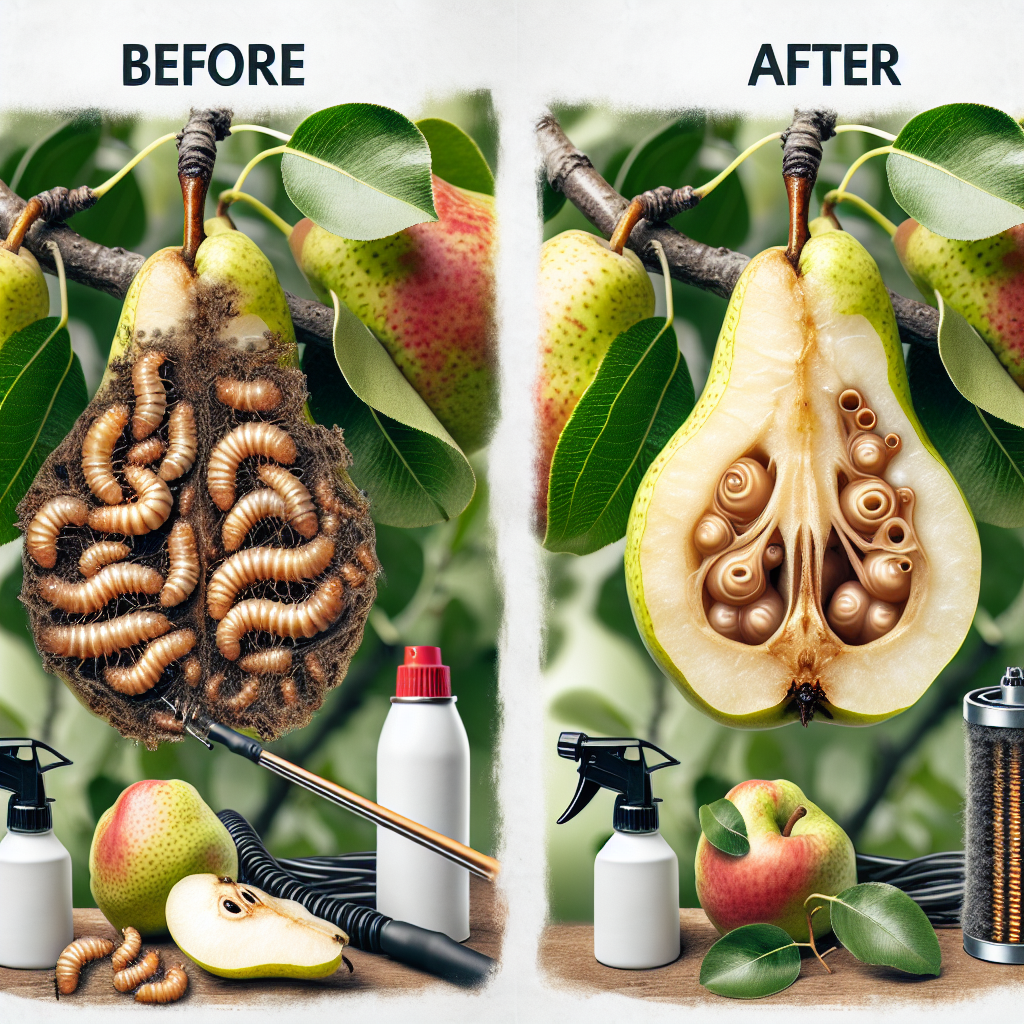
A close-up display showcasing the harmful effects of Codling Moth infestations on pear trees; with gnarled fruit and visible larvae. Change the scene to highlight the before and after of pest control methods; on the left are the infested fruit, on the right are fresh, bug-free pears on a tree. Optionally, include untouched farm tools like a sprayer and the inside mechanism of a pheromone trap in the backdrop for reference. Ensure there are no humans, text, brand names, or logos present in the image.

Stopping Codling Moth Infestations in Pear Trees

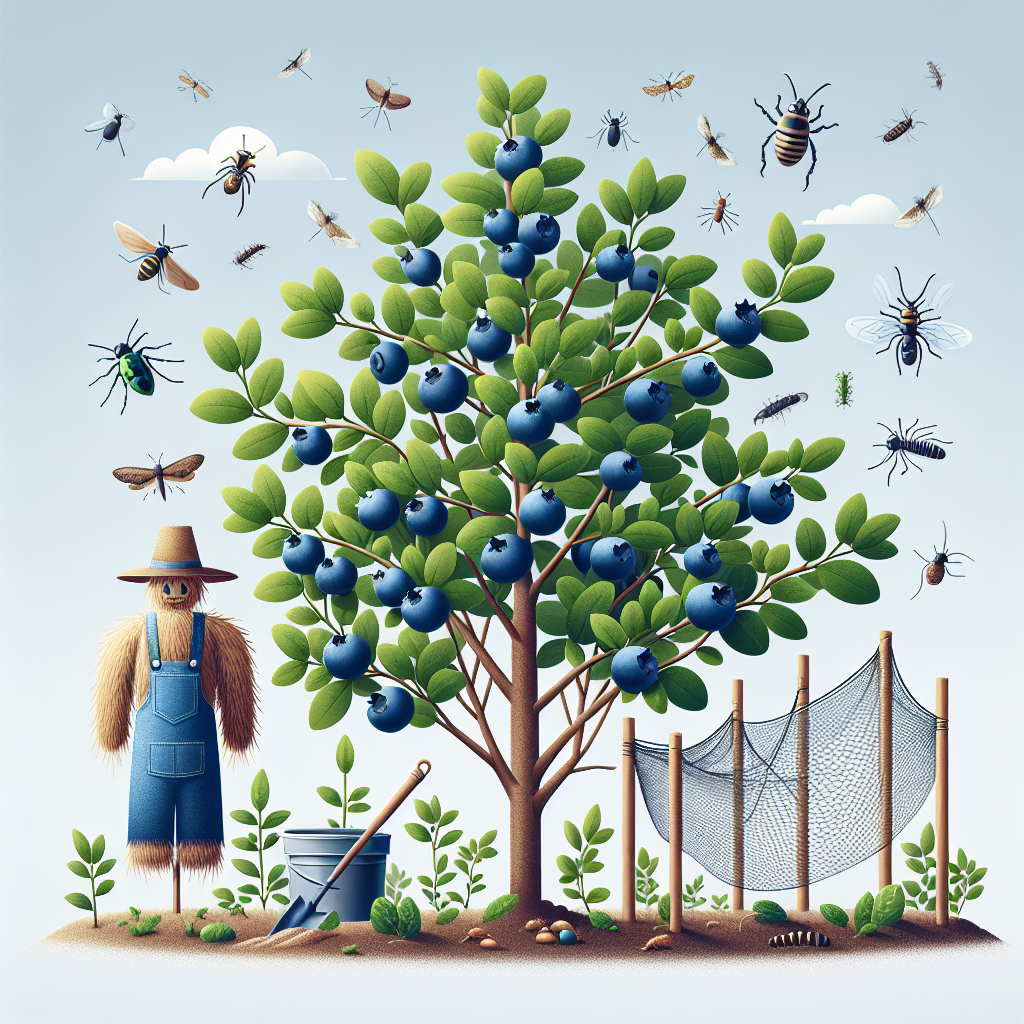
An image representing the concept of deterring pests from blueberry bushes without using any text or showcasing people. It features a healthy, bountiful blueberry bush gleaming under the sunshine, an organic scarecrow made of natural materials nearby and a constructed bird netting protecting the bush. There are also various types of insects widely recognized as pests, like beetles and caterpillars, seen moving away from the bush. No logos or brand names are included.

Deterring Pests from Blueberry Bushes

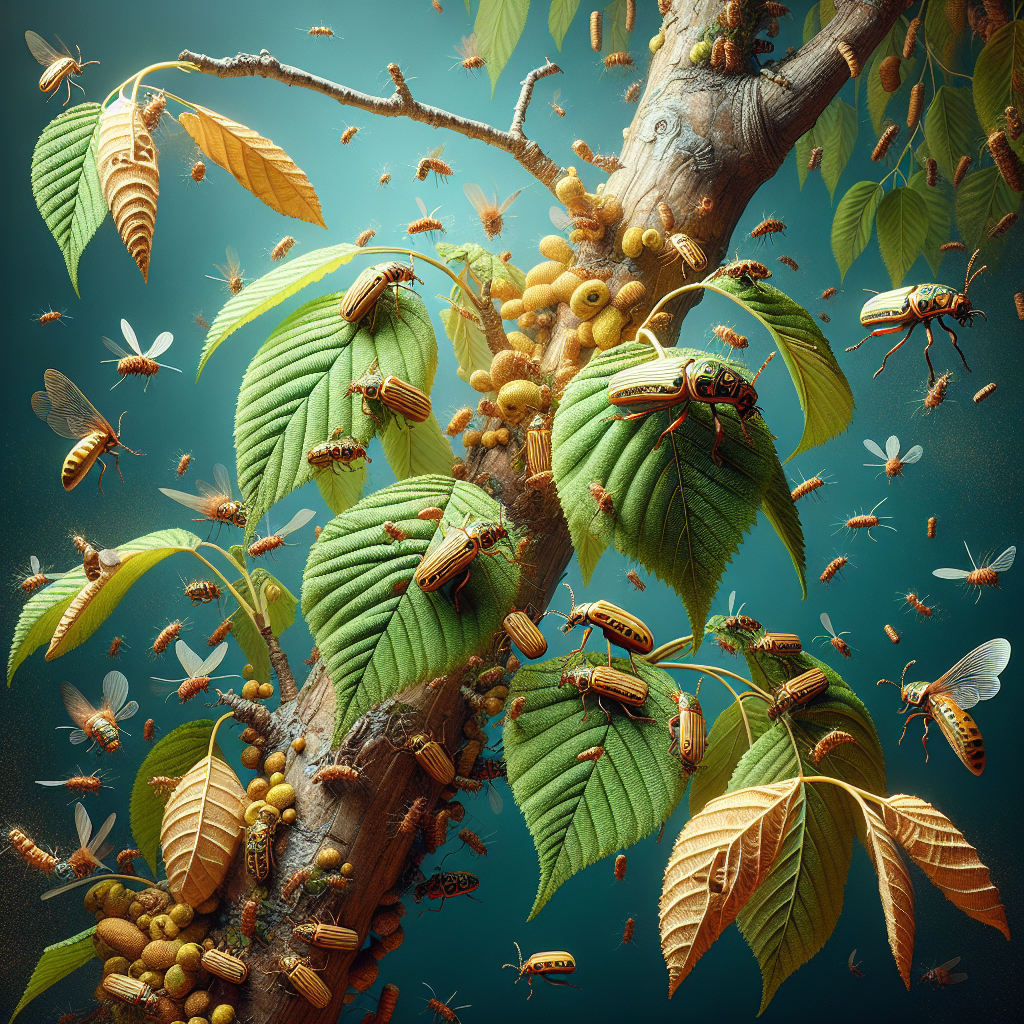
A visually engaging and informative scene displaying a close-up look at leaf beetles feasting on Elm tree leaves. The Elm tree should be full grown with a well-developed branch and foliage system. The leaf beetles should be accurately depicted with their distinct colors and markings. Furthermore, it should give a general vibe of these beetles causing havoc to the tree. As a method of stopping them, depict natural deterrents like biological predators of leaf beetles, possibly small birds or other insects, subtly in the background. Ensure no human figures, text, brand names or logos are present in the image.

How to Stop Leaf Beetles on Elm Trees

An image to illustrate the concept of protecting zinnias from powdery mildew. The image captures a garden scene of vibrant zinnias in various colors such as pink, red, and orange. A close-up view shows a few leaves with spots of a white, powdery substance, representative of mildew. In contrast, there are other zinnias that are healthy and thrive, showcasing large, bright, blossoming flowers. A set of tools like a watering can and a spray bottle filled with a clear liquid, intended to represent plant-friendly antifungal solution, is stationed nearby on the ground. A friendly ladybug is perched on one of the healthy zinnias. All items are free of visible text and brand logos.

Protecting Zinnias from Powdery Mildew

An infographic depicting a process to prevent Thrips on indoor Ficus trees. The image showcases the detailed illustrations of indoor Ficus trees, with light brown spindly trunks topped with a canopy of lush, dark green leaves. There are enlarged visuals of Thrips, small yellowish insects, on a leaf. There's also a sequence of illustrations showing preventive measures like examination of leaves, using natural insecticides, and regular moisturizing of plant. A preventative spray nozzle directed towards a plant, and water droplets landing on leaf surfaces are also required. Make sure this information is shown through symbolism and illustration only, without any text, people, brand names or logos.

Preventing Thrips on Indoor Ficus Trees

A picture showing an indoor scene with some large, healthy indoor palm trees, showing no signs of pest infestation. The palm trees are of different varieties, adorned with glossy, bright green fronds which elegantly arch outwards. Aside from the palms, there can also be seen some organic and natural pest control methods used for preventing red spider mites. This could comprise of a spray bottle filled with water, a bowl filled with natural soap solution, and a cloth for wiping the leaves. But remember, any textual descriptions on these items, like brand names or instructions, should be absent.

Preventing Red Spider Mites on Indoor Palms