Indoor Plants

Plant Care

Sort By:

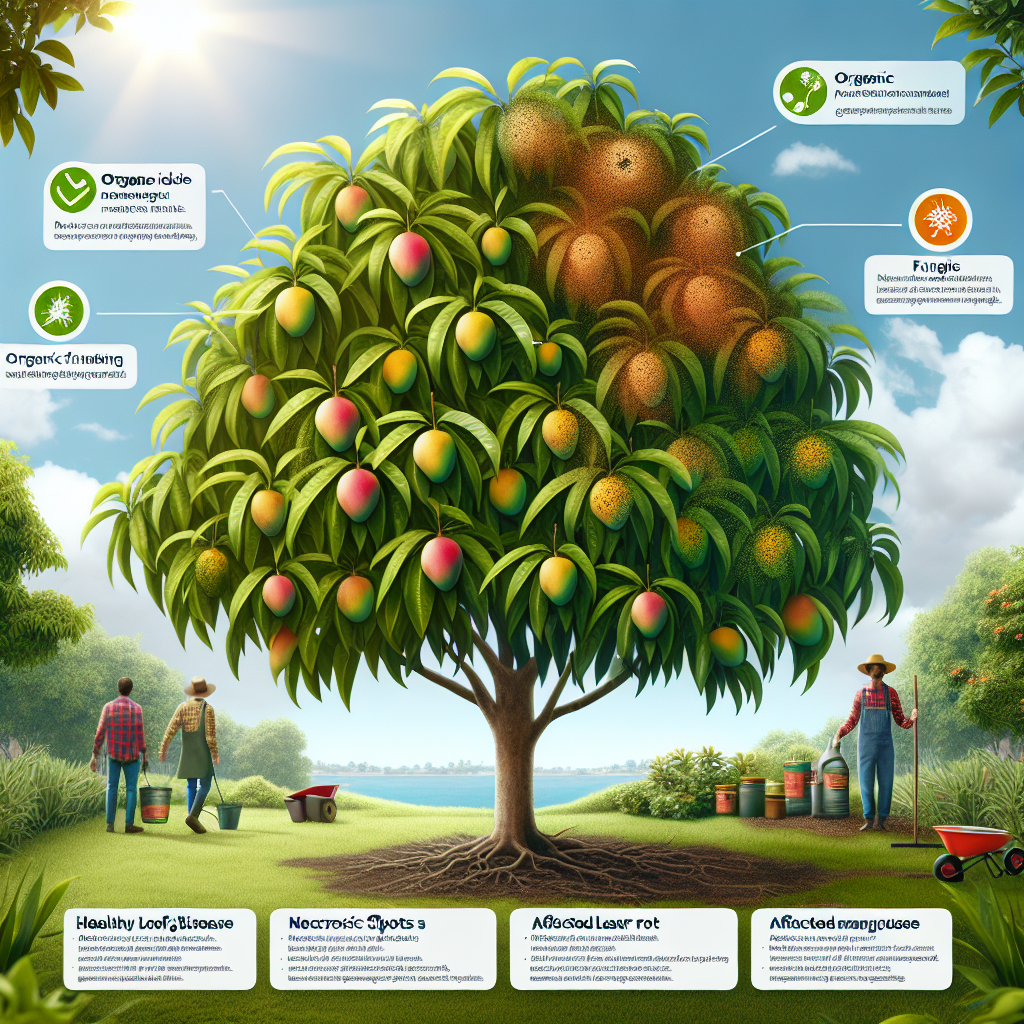
An image that visually presents information related to preventing Anthracnose Disease in Mango trees. It should include healthy, lush Mango trees in clear sunny weather. Depict signs of Anthracnose disease, such as necrotic leaf spots and fruit rot, on a separate affected tree for comparison. Also, include imagery of organic, non-branded disease management tools like natural fungicides and garden sprays. Remember not to include any brand logos, text, people or specific items with text on them in this image. The focus should remain on the healthy growing and affected trees.

Preventing Anthracnose Disease in Mango Trees

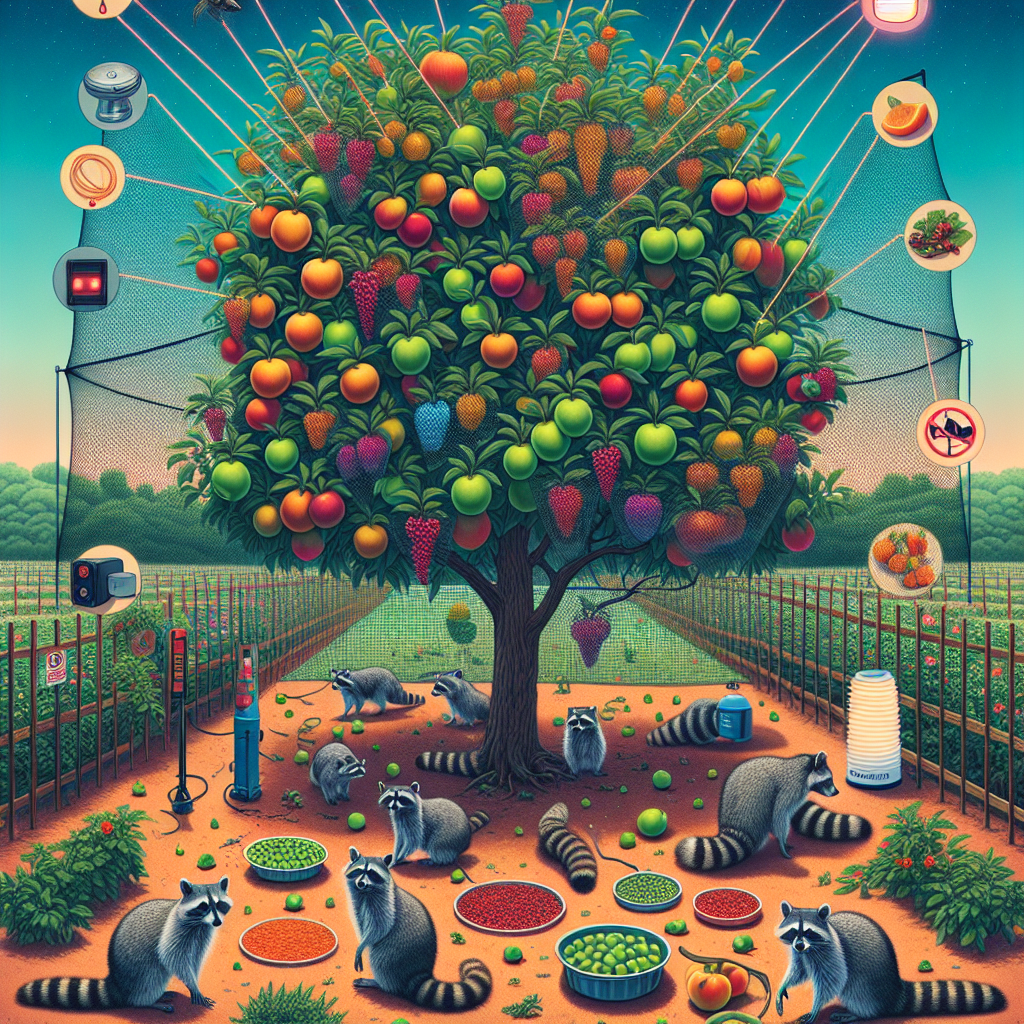
A visual guide on protecting fruit trees from raccoons, focusing on non-human interactions. The centerpiece is a lush fruit tree brimming with ripe, colorful fruits. Surrounding the tree, there are netting and deterrents such as bright lights, noise devices, and scattered chili pepper, all intended to deter raccoons. An assortment of raccoons are depicted at a distance, not interacting with the tree due to the deterrents, thus illustrating their effectiveness. There are no brand names or logos, and no humans present in this vivid and detailed rural scene.

How to Keep Raccoons Away from Fruit Trees

An image representing a lush and serene shady garden under the canopy of large, healthy, and insect-free oak trees. The undergrowth is filled with shade-loving plants, ferns, and clover. An organic homemade pesticide spray bottle lies nearby. Oak galls, caused by Gall Wasps, are nowhere in sight, suggesting the success of prevention efforts. Neither people nor any textual elements are included in the composition. The entire scene is free from all brand names and logos, emphasizing natural themes and organic pest control methods.

Preventing Oak Gall in Shady Gardens

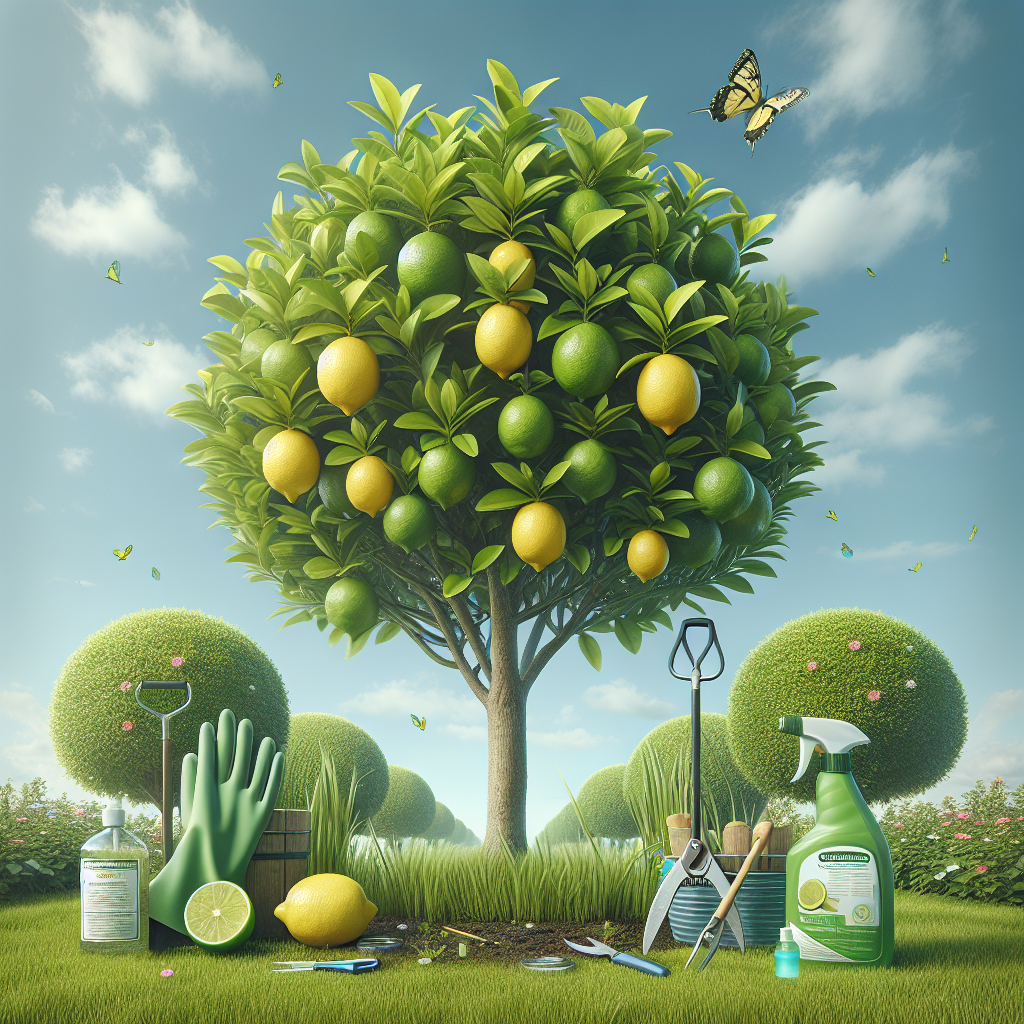
A healthy, green pair of citrus trees devoid of any humans or text. Depict one as a lemon tree, with bright yellow fruits hanging amidst the leaves, and one as a lime tree, with its distinct green fruits. The trees stand in the foreground of the image, under a clear blue sky, with lush green grass wrapping around their bases. They are placed in a well-maintained garden with various blooming flowers. Tools for preventing citrus canker such as pruning shears, gloves, and sanitizing spray are shown nearby, but without any brand names or logos. Occasionally depict a butterfly or a bird approaching these trees, symbolizing their healthy appeal.

Preventing Citrus Canker in Lemon and Lime Trees

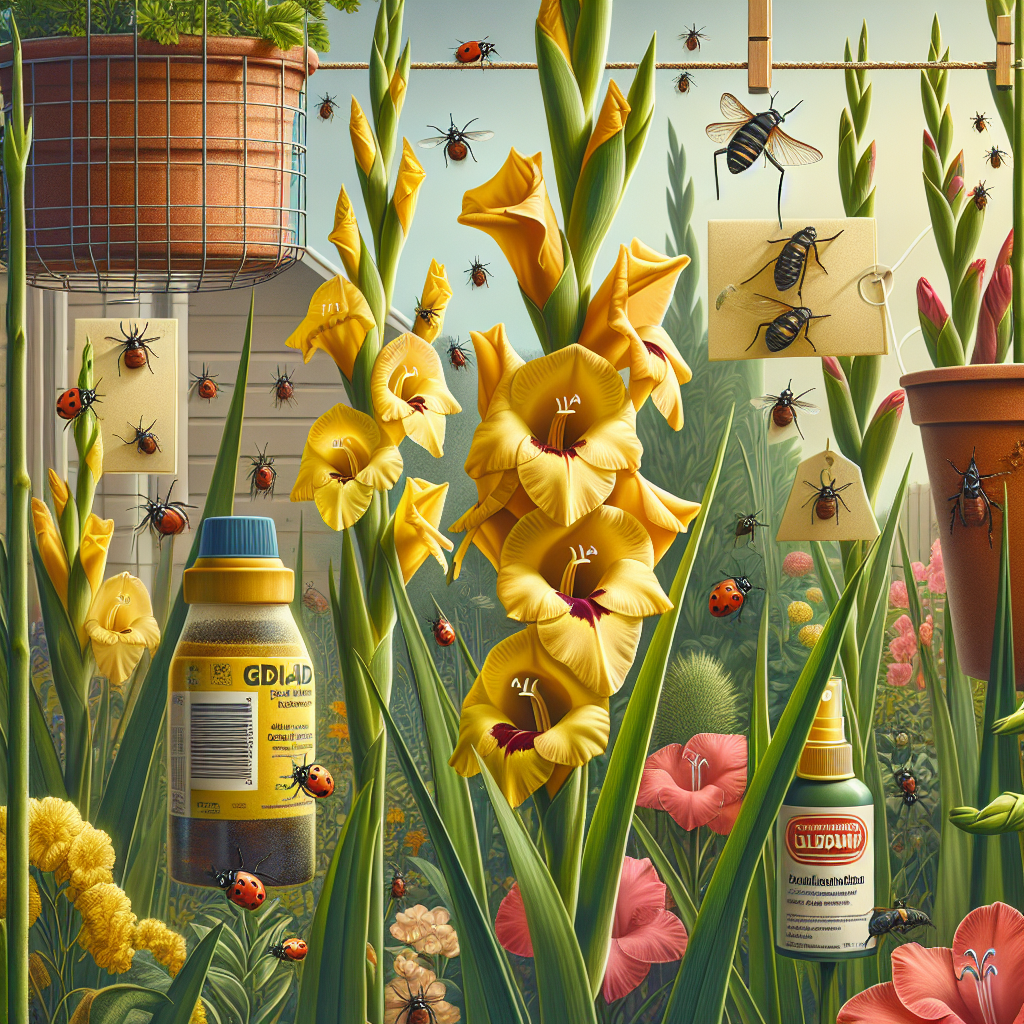
An ecological scene showcasing a variety of solutions for thrips on Gladiolus plants thriving in an outdoor setting. The image features Home-made traps constructed from yellow sticky paper hung close to the plants, the strategic placement of beneficial insects such as ladybugs, and periodic applications of sprays made from natural ingredients like garlic and neem oil. The Gladiolus flowers are bright and colorful, adding beauty to the scene. The overall tone of the image should convey a healthy, thriving garden environment devoid of any human elements or brand-related items.

Natural Solutions for Thrips on Gladiolus

A vivid image displaying a garden scene where beautiful, blooming hyacinths are being protected from tiny, unseen pests known as bulb mites. Strikingly colored hyacinths dominate the scene, their bright pink, purple, and white blossoms standing out against lush green leaves. Invisible to the eye, the bulb mites represent a silent threat. The protective methods are also present: microscopic images of beneficial bugs such as ladybugs and predatory mites, and organic pest control substances like natural insecticidal soap subtly spread over the soil. Everything is set in a serene garden backdrop, without any appearance of people, text, or branding.

Guarding Hyacinths from Bulb Mites

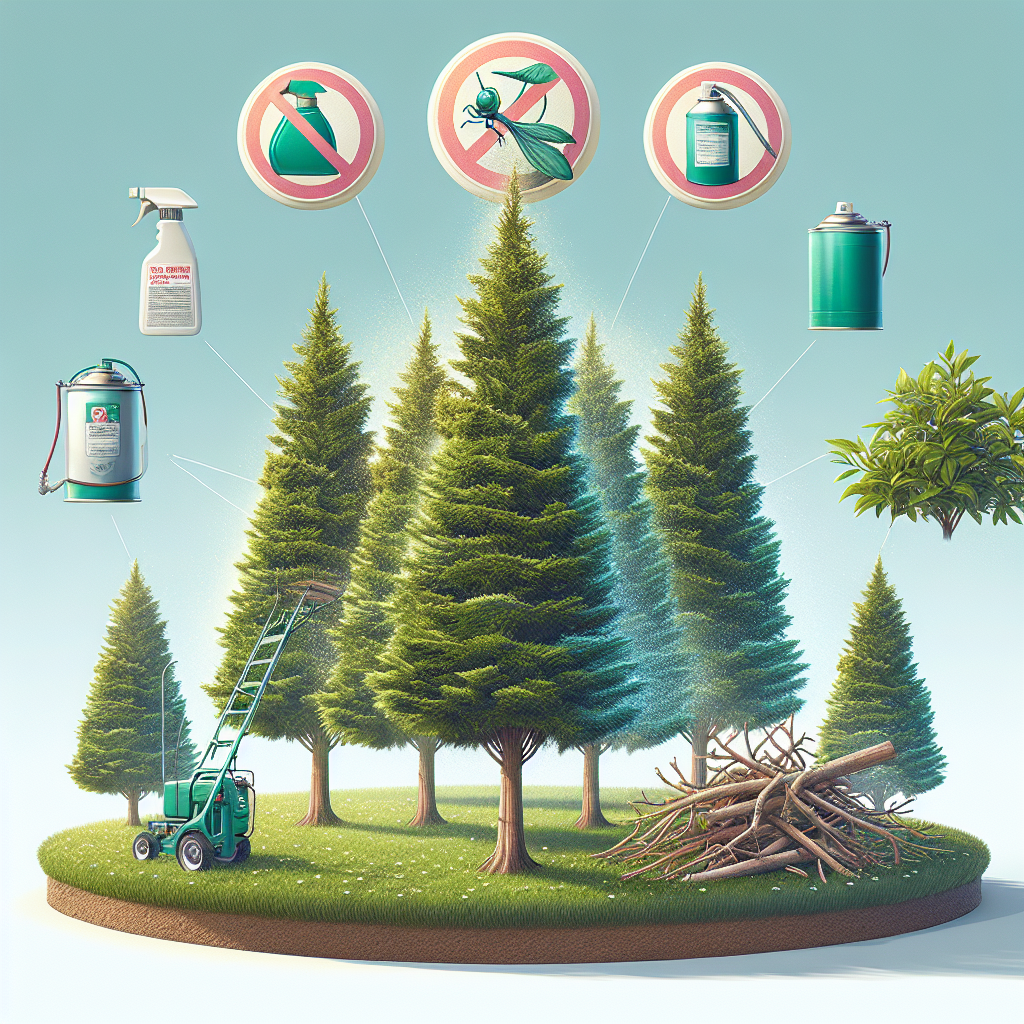
An image showcasing a verdant landscape of Cedar trees standing tall and strong. Among these trees, key preventative measures against Cedar Rust are visible, but subtly integrated into the scene. First, a no-spray zone around the base of the trees symbolized by small markers. Second, a clean, crisp, non-branded agricultural sprayer, lightly dusting enamel-colored fungicide onto the lower branches of a tree, suggesting regular treatment. Third, a pile of pruned branches safely distanced from the healthy Cedar trees, implying proper sanitization. All this imagery is presented during a sunny spring day, giving a positive undertone to the ecological care being demonstrated.

Protecting Cedar Trees from Cedar Rust